
Blog
Pond Maintenance - How To Clean A Pond Without Draining It?
Cleaning a pond without draining it, often referred to as pond cleaning, is a crucial task to maintain the health and aesthetics of your water feature. To accomplish this, start by removing debris like leaves, twigs, and floating algae using a skimmer or a pond net. For the bottom, use a pond vacuum to extract sludge and sediment. Beneficial bacteria and enzymes can be added to help break down organic matter. Aquatic plants should be trimmed, and overgrown algae should be controlled. Regularly maintaining your pond’s filtration system and checking water quality parameters can aid in keeping the pond clean without the need for a complete drainage, ensuring a vibrant and balanced aquatic ecosystem.
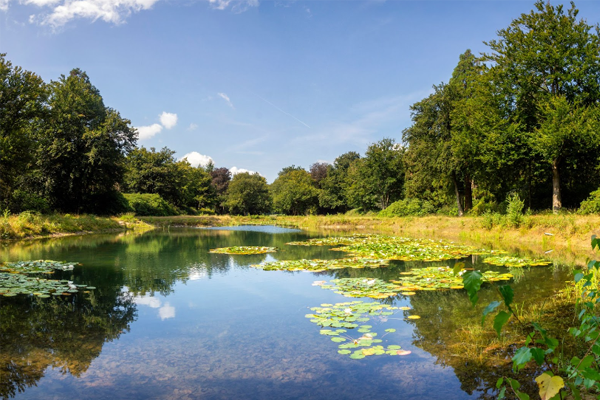
Maintaining a Clean Fish Pond Without Draining the Water: A Comprehensive Guide
- Regular Debris Removal: Use a pond net or skimmer to remove leaves, twigs, and floating debris from the water surface.
- Use a Pond Vacuum: Invest in a pond vacuum to clean the bottom of the pond. It can help remove sludge and sediment buildup.
- Trim Aquatic Plants: Prune and trim aquatic plants to prevent overgrowth. Remove dead or decaying plant material.
- Control Algae Growth: Implement natural controls like beneficial bacteria and enzymes to reduce excess nutrients that fuel algae growth.
- Algae Removal: Physically remove algae from the pond using a brush or net. Consider using algae-eating fish or aquatic snails.
- Check Filtration System: Regularly clean and maintain your pond’s filtration system, such as skimmer boxes and biofilters, to ensure optimal performance.
- Water Testing: Periodically test water quality parameters like pH, ammonia, nitrites, and nitrates. Make adjustments as needed.
- Partial Water Changes: Occasionally replace a small portion of the pond water (10-15%) with fresh, dechlorinated water to dilute impurities.
- Beneficial Bacteria: Add beneficial bacteria to the pond to promote natural biological processes that break down organic matter.
- Aeration: Install a pond aerator or fountain to increase oxygen levels in the water, which can help maintain a healthy ecosystem.
- Fish Health Checks: Regularly inspect your fish for signs of illness and provide proper nutrition to keep them healthy.
- Skim and Clean Surfaces: Skim the water surface regularly to remove debris, especially during the fall when leaves are abundant.
By following these steps, you can efficiently engage in pond cleaning, preserving a clean and harmonious aquatic environment for your fish and aquatic plants without the necessity of completely draining the water.
Situations where you may or may not need to drain your pond water efficiently
|
Situations |
Need to Drain Pond Water (Yes/No) |
|
Routine Maintenance (e.g., debris removal) |
No |
|
Algae Control (e.g., physical removal) |
No |
|
Bottom Sludge Removal |
No |
|
Aquatic Plant Trimming |
No |
|
Beneficial Bacteria Addition |
No |
|
Small Water Quality Adjustments |
No |
|
Major Water Quality Issues (e.g., toxic levels) |
Yes |
|
Pond Overpopulation (fish or plants) |
Partially |
|
Pond Renovation or Redesign |
Yes |
|
Major Repair or Construction Work |
Yes |
Situations where you may or may not need to drain your pond water efficiently
Optimal Pond Cleaning Time
- Dry Season (June to September): This period is usually drier and less prone to heavy rainfall, which can make pond cleaning more manageable. The relatively lower rainfall means less water replenishment, making it easier to control water levels while performing maintenance.
- Cooler Months (December to February): During the slightly cooler months, working on pond maintenance can be more comfortable as you won’t be exposed to extreme heat and humidity. It’s a good time for tasks that may require more physical effort.
- Algae Control (Year-Round): Algae growth can be an issue in the warm and humid Singaporean climate, so regular maintenance for algae control is essential throughout the year. This includes skimming, water testing, and using appropriate treatments.
- Fish Health (Year-Round): Monitoring and maintaining the health of your fish should be ongoing, regardless of the season. Make sure they are fed properly and that their environment remains stable.
- Plant Pruning (Year-Round): Pruning and trimming aquatic plants can be done as needed to prevent overgrowth. This task may be more frequent during periods of rapid plant growth.
- Filter Maintenance (Year-Round): Cleaning and maintaining pond filters should be an ongoing task to ensure they function efficiently, especially if you have fish in your pond.
- Emergency Cleaning (After Heavy Rain): If you experience exceptionally heavy rainfall or a severe weather event, you may need to perform emergency cleaning to remove debris and maintain water quality.
Remember that the key to successful pond maintenance in Singapore is consistency. Regular upkeep, such as skimming, water quality testing, and keeping an eye on the pond’s overall condition, can help prevent major issues and make it easier to manage the pond throughout the year.
Efficient and regular pond cleaning is paramount in maintaining the health and aesthetics of your water feature without the need for a complete water drainage. This essential practice involves a series of meticulous steps to ensure your pond remains a vibrant and balanced aquatic ecosystem. From removing surface debris like leaves and twigs to addressing bottom sludge and controlling algae growth, these tasks can be performed during the optimal cleaning times – typically in spring and early fall. Beneficial bacteria and enzymes can be introduced to naturally break down organic matter, while aquatic plant trimming and algae control measures help keep your pond looking its best. By adhering to a customised cleaning schedule that considers the specific requirements of your pond, you can preserve its health and beauty while avoiding the inconvenience of a full water replacement.
In determining the best timing for pond cleaning, it’s crucial to assess both the specific tasks to be undertaken and the overall health of the pond. Local climate, the presence of aquatic life and plants all play a significant role in creating a customised cleaning schedule. By aligning your maintenance efforts with these factors, you can effectively and sustainably engage in pond cleaning, ensuring the well-being of your aquatic environment and promoting a thriving pond ecosystem, all while avoiding the need for complete water drainage. Pond cleaning is a vital aspect of responsible pond ownership, offering benefits that extend beyond aesthetics, including the health and longevity of your aquatic ecosystem, as well as overall landscaping in the premise.